Bed Bug Prevention Strategies: Keep Your Home Pest-Free With These Tips
Bed bug invasions can disturb a household, creating anxiety and unease. Comprehending their patterns and adopting precautionary steps is vital. From preserving hygiene to carrying out consistent copyrightinations, there are several strategies that can effectively minimize the risk of these pests. Additionally, precautions while traveling can further safeguard against bringing bed bugs home. What targeted measures can property owners adopt to confirm their living areas are protected from these troublesome pests?
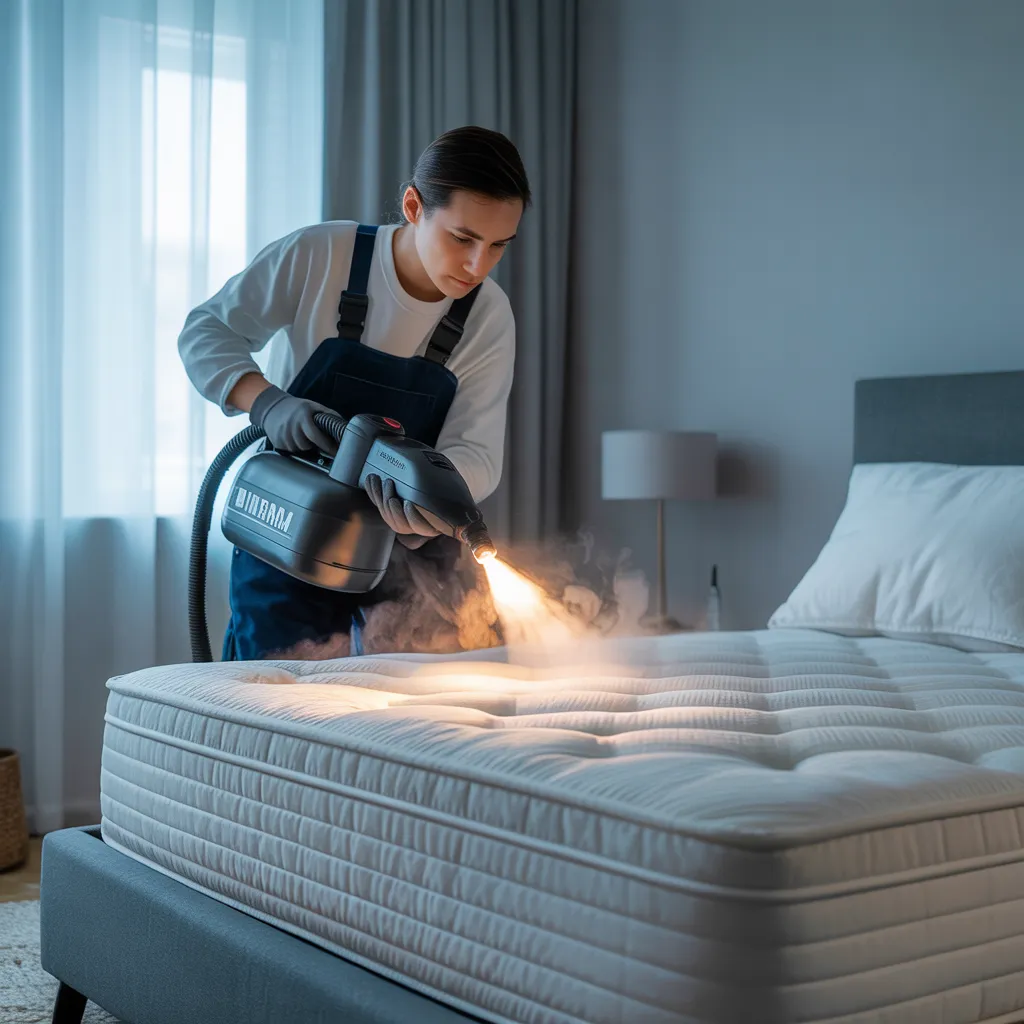
Identifying Bed Bugs: Understanding Their Nature and Behavior
Bed bugs, diminutive nocturnal insects notorious for feeding on blood, create considerable problems for homeowners and travelers alike. These insects are commonly brown, flat, and oval in shape, ranging approximately 4 to 5 mm in size. Their ability to hide in tiny crevices makes them particularly insidious. Bed bugs are most active at night, emerging from their hiding spots to feed on the blood of sleeping humans or animals.
A bed bug's life cycle comprises a number of stages: egg, nymph, and adult, with females able to lay hundreds of eggs over the course of their lifetime. Their actions are primarily motivated by the need for food, and they are lured by warmth and carbon dioxide emitted by nearby hosts. Understanding these characteristics is essential for successful identification and treatment, as prompt detection can considerably minimize the risk of a severe infestation.
Important Cleaning Routines to Prevent Infestations
Proper cleaning routines play a significant role in preventing bed bug infestations. Consistently vacuuming carpets, rugs, and upholstered furniture helps remove any potential bed bugs and their eggs. It is important to utilize a vacuum that features a HEPA filter and to place the vacuum bag directly into a sealed plastic bag to eliminate the chance of reinfestation.
Washing clothing, bedding, and linens in high-temperature water at least weekly is an additional essential habit, as intense heat can kill bed bugs and their eggs effectively. Drying these items on high heat for at least half an hour enhances this protective measure.
In addition, reducing clutter in living areas eliminates concealment areas for bed bugs, enabling residents to sustain a infestation-free environment. Routinely copyrightining and sanitizing areas like baseboards, behind furniture, and inside closets additionally supports effective prevention, developing an unfavorable condition for bed bugs.
Periodic House copyrightinations for Bed Bugs
How do consistent inspections support a home free of bed bugs? Routine home inspections play a vital role in early detection and prevention of bed bug infestations. Through practical advice careful inspection of sleeping areas, furniture, and typical hiding locations, homeowners are able to spot bed bug indicators like shed skins, fecal marks, or live bugs. These checks should be conducted every few months, with special attention given to high-risk spaces like bedrooms and living rooms.
Additionally, involving all household members in the inspection process promotes awareness and vigilance, enabling it to be more straightforward to detect likely concerns in a timely manner. Utilizing instruments such as magnifying glasses and flashlights can enhance these checks, facilitating a more detailed assessment. In the end, a preventative method through consistent copyrightinations ensures that any infestation activity is addressed swiftly, avoiding the requirement for more thorough and costly removal procedures in the long run.
Travel Advice: How Can You Prevent Bed Bugs?
While traveling can be an enriching experience, it also creates chances for bed bugs to hitch a ride. To minimize the risk, travelers should adopt some protective practices. To begin, checking hotel rooms as soon as you arrive is highly recommended; check the seams of mattresses, headboards, and furniture for any evidence of bed bug activity. Storing luggage off the floor and at a distance from the bed can additionally minimize the risk. It is advisable to travel with hard-shell suitcases, as bed bugs are less likely to penetrate these materials.
In addition, voyagers should consider packing clothing in airtight plastic bags. Washing apparel in warm water upon coming back home can get rid of any possible pests. When choosing lodging options, choosing hotels with positive reviews regarding cleanliness and pest control can be highly beneficial. By being vigilant during journeys, guests can significantly reduce the likelihood of carrying bed bugs back home.
Reliable Treatment Methods for Early Detection and Management
Early detection and control of bed bugs is essential for proper handling of infestations. Residents should consistently check sleeping quarters, directing attention toward the seams of mattresses, headboards, and adjacent furnishings. Utilizing bed bug detection tools, such as bed bug interceptors and detection traps, can assist in detecting the first warning signs of an infestation.
If an infestation is suspected, swift action is necessary. Cleaning bedding and garments in hot water and drying them on high heat can destroy bed bugs across all life stages. Thoroughly vacuuming the impacted areas, including carpets and upholstered furniture, assists in eliminating visible bugs and eggs.
Qualified extermination professionals frequently utilize a blend of heat applications and chemical treatments to eradicate bed bugs effectively. Early intervention and consistent monitoring are essential in stopping a minor issue from developing into a major infestation. Adopting these treatment options guarantees a proactive approach to maintaining a bed bug-free home.
Questions We Often Receive
Can Bed Bugs Survive in Extreme Temperatures?
Indeed, bed bugs are able to survive extreme temperatures. They can endure cold temperatures as low as 0°F for several days and have the capacity to withstand heat reaching 122°F. However, extended exposure to such conditions can prove fatal to them.
What Does a Bed Bug Bite Look Like?
Indicators of a bed bug bite typically include small, reddish, itchy bumps on the skin, frequently appearing in clusters or rows. Other symptoms may involve redness, swelling, and in certain instances, allergic reactions or secondary infections.
In What Ways Do Bed Bugs Spread Between Residences?
Bed bugs spread between homes mainly via contaminated luggage, secondhand furniture, clothing, or personal belongings. They can also travel through shared walls in multi-unit buildings, making vigilant inspection and prevention essential for residents.
Can Natural Remedies Help Prevent Bed Bugs?
Natural remedies for bed bug control include essential oils like tea tree and lavender, diatomaceous earth powder, and regular vacuuming. However, effectiveness varies, and professional extermination services may be necessary for serious infestations.
Are Pets Able to Bring Bed Bugs Into the Home?
Pets may unknowingly transport bed bugs into your home by acquiring them from areas with existing infestations. Although bed bugs do not inhabit pets directly, their fur can serve as a brief mode of transportation for these parasites.